
 AI Agent ROI Calculator
 Free training: Chatbot crash course
 Whitepaper: The acceptance of chatbots
Smart chatbot dialogue design prevents user frustration through clear conversation flow, the anticipation of errors, and a consistent tone across all channels. With tips from BOTfriends, companies benefit from uniform dialogue standards that protect both the brand and the customer experience.
Smart Chatbot Dialogue Design for Your Business
Whether it’s customer service, internal help desks, or sales support, chatbots have long been an integral part of modern business communication. But anyone who has ever experienced how a poorly designed bot frustrates users and leaves their inquiries unanswered knows that technology alone isn’t enough. What matters most is chatbot dialogue design—that is, the way a bot communicates, steers conversations, and responds to user expectations.
It’s worth taking a closer look at the difference between chatbots and voicebots. When interacting with a voice assistant, users communicate spontaneously and linearly. Text-based chatbots, on the other hand, open up different possibilities by allowing users to read through the conversation at their own pace and scroll back. In addition, visual elements such as buttons or cards can be used. This characteristic directly influences how the dialogue should be designed. In this article, we’ll therefore take a closer look at what constitutes excellent chatbot dialogue design in a business context and what BOTfriends recommends.
Why Excellent Chatbot Dialog Design Is Crucial for Your Enterprise
A chatbot is often the first digital point of contact between a company and its users. It represents your brand, answers questions, and should also be sophisticated enough to deliver real added value. It sounds simple, but it isn't.
After all, poor dialogue design leads to users abandoning the interaction, high error rates, and—in the worst case—long-term damage to the brand experience. A bot that misinterprets user questions, explains too much at once, or simply fails to communicate its limitations causes more frustration than it provides value. Conversely, a well-designed chatbot can resolve inquiries more efficiently than many people on the phone: quickly, consistently, and around the clock.
Deployment in the enterprise sector requires a careful balance between user-centered conversation design, data protection, multilingual support, analytics-driven development, and seamless escalation to human agents.
The BOTfriends Strategy for Effective Chatbot Dialogue Design
Good chatbot dialogue design doesn't follow a one-size-fits-all formula. But there are principles that have proven themselves time and again in practice, and we consistently incorporate them into our projects at BOTfriends.
Set the Right Expectations from the Start
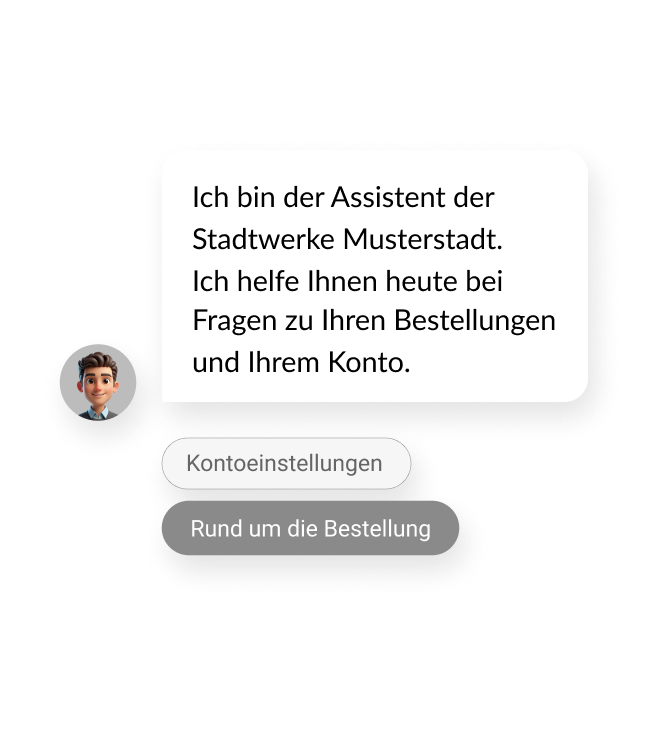
Users who interact with ChatGPT or other powerful AI systems on a daily basis come into every conversation with high expectations. When a company bot responds to certain inquiries with nothing but an error message, it leads to disappointment. The solution: Clearly communicate right at the start of the conversation what the bot can and cannot do. A simple “Today, I’m here to help you with questions about your orders and your account” sets the stage and prevents unrealistic expectations without compromising the user experience.
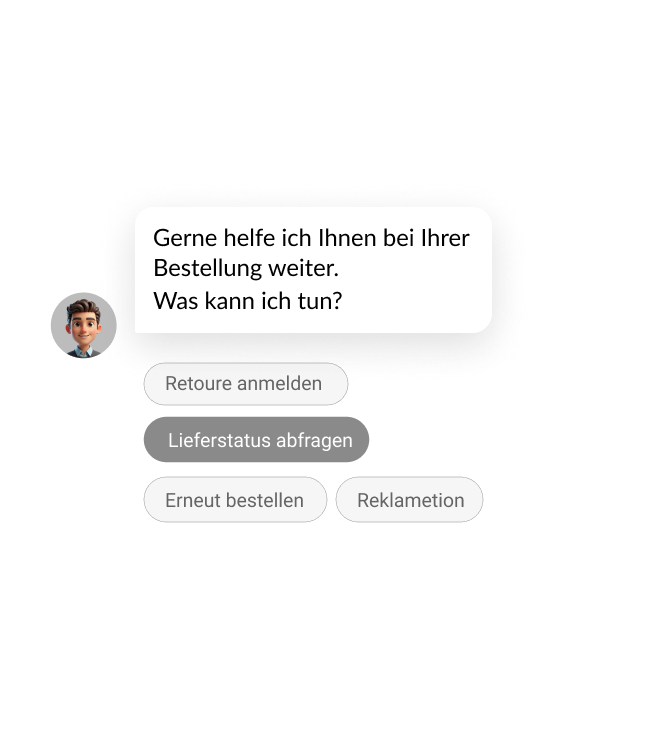
Using Quick Reply Buttons Strategically
Open-ended text fields encourage natural language, but they can also overwhelm users with too many options. Quick-reply buttons speed up common tasks while maintaining the flow of the conversation. Typing takes longer than speaking, and especially on a smartphone, every keystroke saved is a benefit. Buttons are most effective when the user needs to choose between clearly defined options, such as selecting a service category or confirming a request.
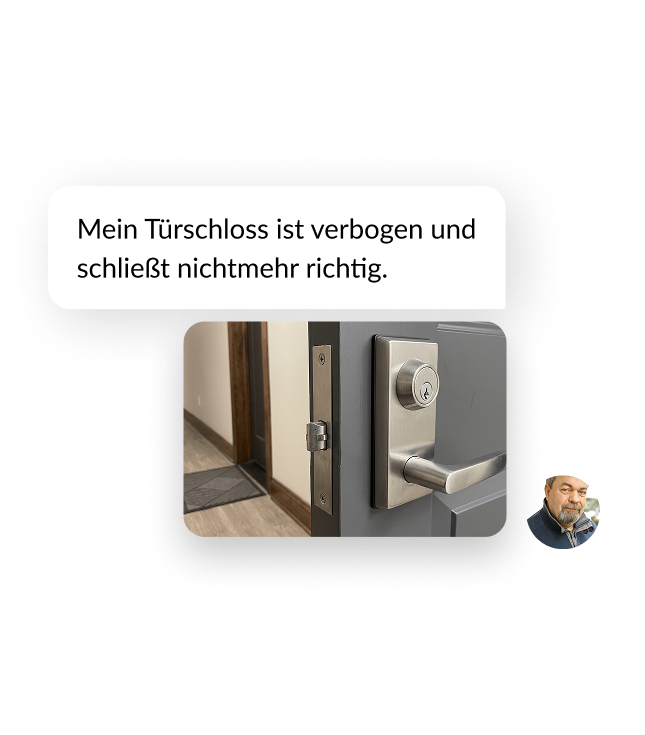
Enable multimodal input where appropriate
Text-only input often has its limitations when complex situations need to be described. By specifically allowing the use of photos, for example (such as a photo of a defective product or an invoice scanned via OCR), the dialogue can be drastically shortened and usability maximized. It is crucial to offer these options in a context-sensitive and purely optional manner.
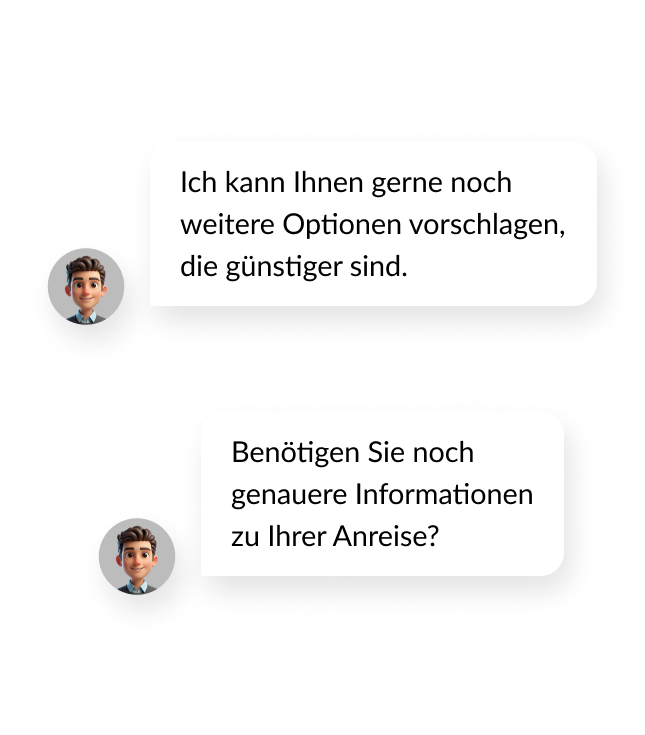
Actively Guide the Flow of the Conversation
A good chatbot doesn't leave the direction of the conversation to chance. Dialog flow control, in which the bot actively guides the user toward a solution, works by asking clarifying questions and offering specific options. This also includes strategic handovers: At what point does the dialog switch to a specialized agent? When is a human handover the better choice? These handovers must be seamless and ensure no loss of information.
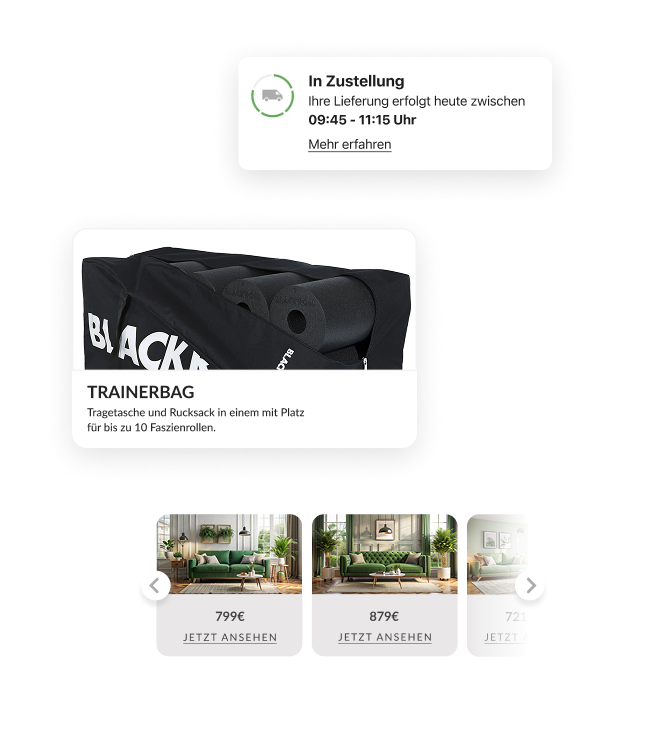
Using Rich Media Elements Strategically
Maps, carousels, images, or short videos can often convey complex information more effectively than text alone—for example, in product comparisons, location displays, or status overviews. However, it’s important to exercise restraint: Rich media should support the conversation, not turn it into a mere click-based interface. Where a short text response is sufficient, you should stick to text.
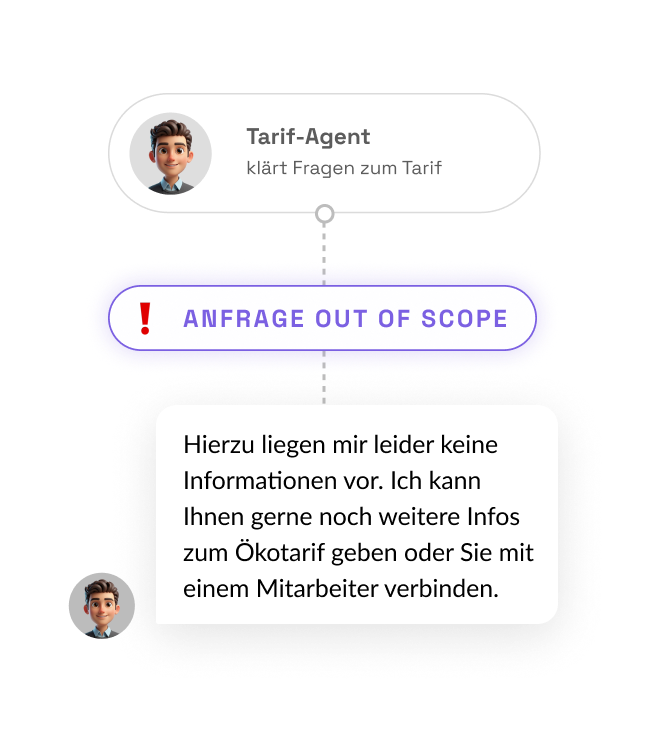
Communicate openly when something is outside the scope
A bot that, by hook or by crook, generates a response that misses the point of the question is worse than one that honestly says, “I’m afraid I can’t help you with that, but here are your next options.” Admitting these limitations builds trust and prevents users from proceeding with incorrect information.
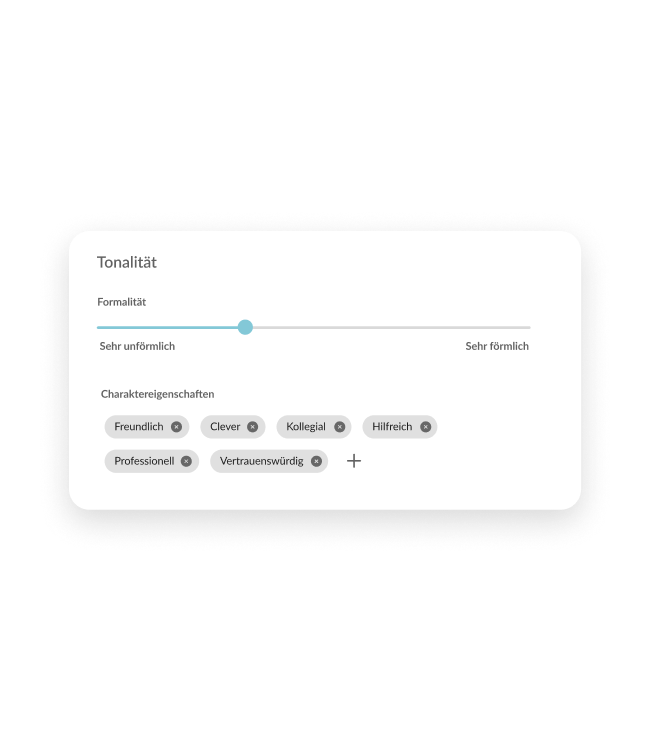
Consistently maintain the persona and tone
A voice that fits the brand creates consistency. Too much personality, on the other hand, comes across as artificial. The goal is a tone that is warm and clear, like a helpful colleague: direct, competent, and human. This approach must be consistent throughout all interactions, from the greeting to the error message.
AI-Powered Dialogue Design: Opportunities and Smart Control
Generative AI is fundamentally transforming chatbot dialogue design. While traditional rule-based bots rely on predefined conversation trees, modern AI agents can understand context, interpret user needs, and respond flexibly to unexpected inputs. This opens up enormous possibilities, such as reduced maintenance efforts for dialogues, more natural conversations, and higher user satisfaction.
The widespread success of universal models like ChatGPT should not lead companies to underestimate the importance of specialized, purpose-built chatbot solutions. Custom-built bots designed to address specific user needs often align better with a company’s strategic goals. A specialized agent that understands its scope, on the other hand, can be specifically controlled, tested, and improved.
This is where the real challenge lies for companies: AI gives the chatbot flexibility, but that flexibility needs boundaries. Smart control doesn’t mean forcing the bot back into rigid decision trees, but rather using clear system prompts, carefully defined roles, and well-designed handoff points. An AI-powered chatbot that knows when to escalate, when to ask for clarification, and when to say, “That’s outside my scope,” is more valuable than a bot that spits out an answer for everything but never really hits the mark.
Your Path to the Perfect Chatbot Conversation
Dialog design involves not only the initial setup of the chatbot, but also ongoing maintenance and continuous optimization. To get you started, however, we have a few tried-and-true tips:
- Start with the “most pressing” use case—that is, the one that’s currently generating the most escalations and follow-up contacts. If your hotline is overwhelmed with the same ten questions every day, that’s your starting point.
- Analyze the current situation: How does this conversation unfold today when a human is conducting it? What follow-up questions does the agent ask? What information does the agent need to be able to help? This process provides the foundation for all prompts, data points, and potential AI workflows.
- Clearly define the conditions for handing over a patient. When should a patient be handed over? To whom? With what information?
- During operations, measure key metrics such as: Agent Resolution Rate (how many inquiries does the agent fully resolve?), Handover Rate (how often does a call need to be transferred to a human agent), and Customer Satisfaction after the call.
- And finally: Make a consistent effort to identify weaknesses, refine your bot, and expand its scope of action.
Used over the long term, this results in a chatbot that can truly help your customers and measurably reduce the workload on your service teams.
Bottom Line
A technically advanced chatbot that communicates poorly will lose its users. A well-designed bot, on the other hand—one that is clear in its language, reliable within its limitations, and consistent in its persona—can create real value for both customers and businesses.
At BOTfriends, we combine technical expertise with a deep understanding of conversational design to develop bots that not only work but also impress. Whether you’re building your first chatbot or want to take your existing bot to the next level, we’ll guide you every step of the way—from concept to ongoing optimization.
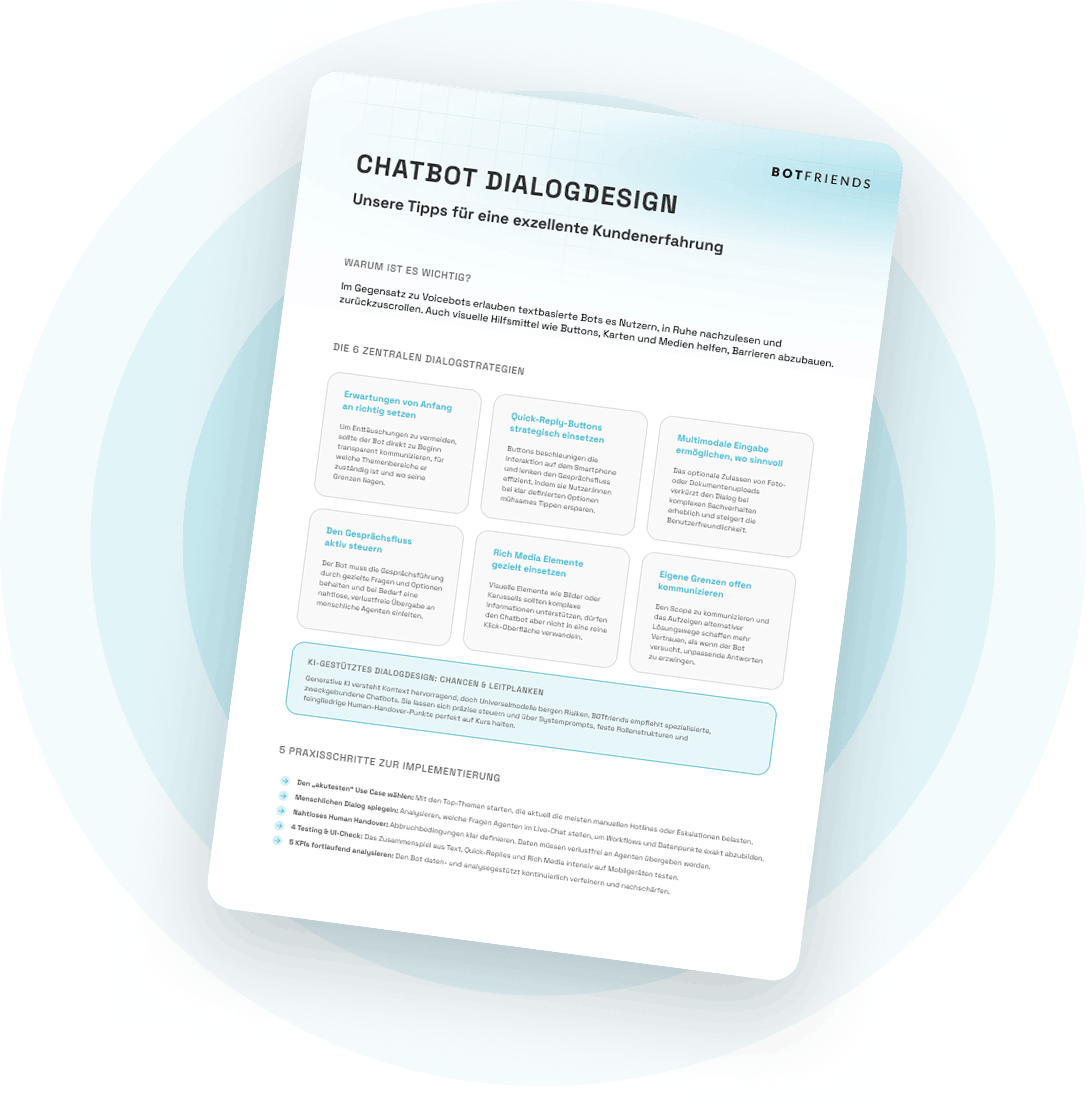
Everything at a glance!
In our cheat sheet on smart dialogue design for AI chatbots, we've clearly summarized all the key information from this article.

Would you like to know what a robust chatbot dialogue strategy might look like for your specific use case?
Get in touch to learn how a custom chatbot dialogue can help your business grow.