
 AI Agent ROI Calculator
 Free training: Chatbot crash course
 Whitepaper: The acceptance of chatbots
Smart voicebot dialogue design prevents user frustration through proactive conversation management, clear handover protocols, and well-thought-out latency mitigation. With BOTfriends’ tips, companies benefit from consistent dialogue standards that protect both the brand and the customer experience.
Smart Voicebot Dialog Design for Your Business
Whether it’s customer service over the phone, internal hotlines, or automated appointment scheduling, voicebots are increasingly taking on tasks that were once reserved exclusively for human employees. But anyone who’s ever been on hold with a poorly designed voicebot knows how quickly frustration sets in when the bot doesn’t understand, stays silent for too long, or sends the caller in circles. Here, too, dialogue design is crucial—that is, the way a bot speaks, steers the conversation, and responds to callers’ expectations.
It’s worth taking a closer look at the difference between voicebots and text-based chatbots. Callers don’t have an overview of the conversation so far and can’t simply scroll back. There are no buttons, no cards, no visual aids—just spoken language in real time. Callers can’t take too long to respond without creating uncertainty, and every second of silence is perceived as a potential problem. These characteristics fundamentally change how dialogue must be designed. In this article, we’ll therefore take a detailed look at what constitutes excellent voicebot dialogue design in a business context and what BOTfriends recommends.
Why Excellent Voicebot Dialog Design Is Crucial for Your Enterprise
A voicebot is often the first point of contact between a company and a caller. It represents your brand in the truest sense of the word, because the voice, pace, and tone shape the overall impression more than almost any other channel.
Poor dialogue design leads to callers hanging up particularly quickly when using voicebots. Unlike in chat, a caller can’t simply go back and read what the bot said if they missed something. A bot that speaks in sentences that are too long, asks for too much information at once, or makes callers repeat the same question multiple times when they have trouble understanding causes frustration— and in the worst case, the caller will hang up immediately. Conversely, a well-designed voicebot can resolve issues just as efficiently as a well-trained agent on the phone—only it’s available around the clock and without any wait time.
Deployment in the enterprise sector requires a careful balance of proactive conversation management, precise speech recognition, smart latency mitigation, and seamless escalation to human agents.
The BOTfriends Strategy for Effective Voicebot Dialogue Design
Good voicebot dialogue design doesn't follow a one-size-fits-all formula. But there are principles that have proven themselves time and again in practice, and we consistently incorporate them into our projects at BOTfriends.
Leading the Conversation Proactively
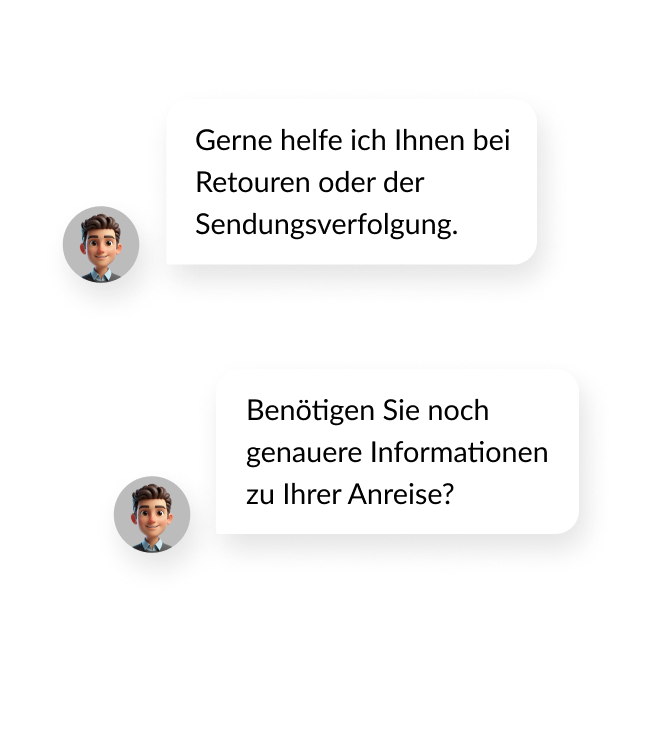
In a chat, a user can scroll back at any time and take their time, but a caller cannot. The caller has no overview of what has already been said and must rely entirely on what the bot is saying at that moment. That is precisely why a voicebot must never passively wait, but must actively structure the conversation: asking clear questions, offering specific options, and guiding the caller step by step through the process. In addition, the bot should give clear signals when it’s finished and it’s the user’s turn to speak.
Always retrieve only one value at a time
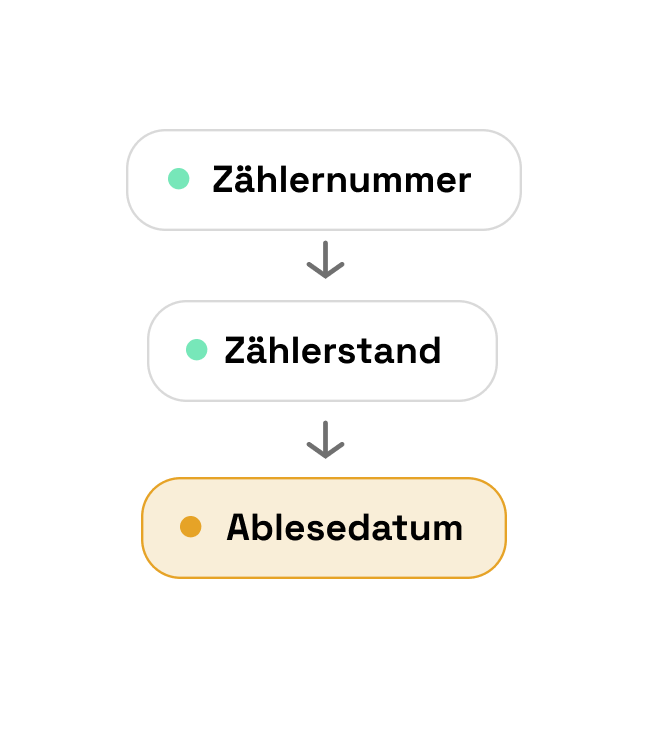
Asking for an order number, a date of birth, and a ZIP code all at once overwhelms callers and leads to errors in speech recognition. A good voicebot consistently asks for information one item at a time: first the order number, then confirmation, then the next piece of information. While this may seem slower at first glance, it significantly reduces follow-up questions and input errors and actually speeds up the conversation in the end.
Short sentences instead of walls of text
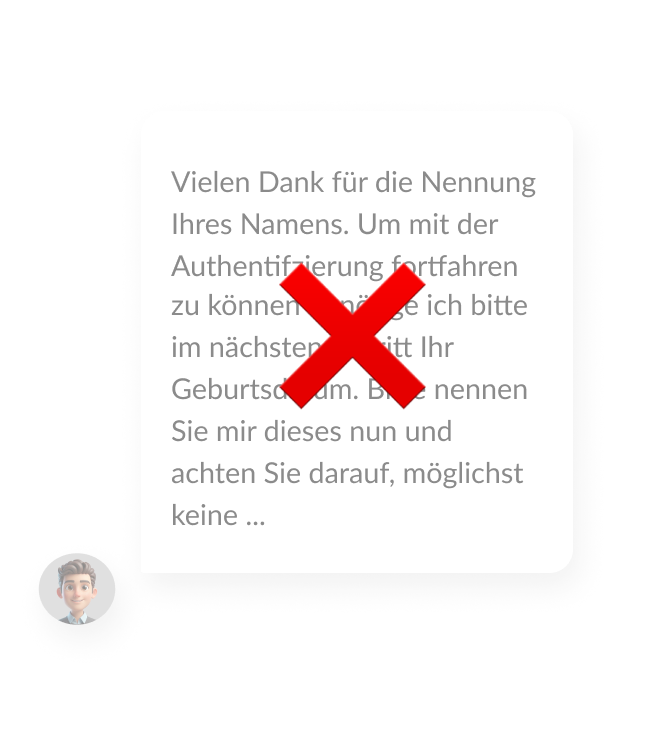
What can be read easily in a chat must be understood immediately over the phone. Long, convoluted sentences containing multiple pieces of additional information are much harder to process in spoken language than in written form. A voicebot should therefore tend to use short, clear sentences and break down complex information into several small conversational steps, rather than cramming it all into a long stream of speech.
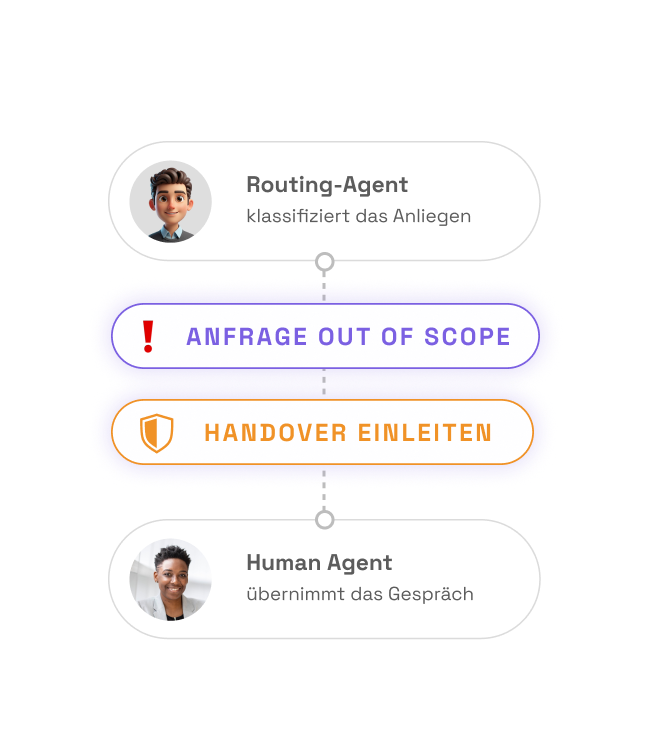
Clear Protocol for Handing Over to People
If the bot fails to recognize an issue or if a request exceeds the bot’s scope, it’s better to quickly transfer the matter to a human agent rather than trying again two or three times. Every repeated failed attempt noticeably increases the caller’s frustration and erodes trust in the bot. A clearly defined escalation protocol that kicks in early and passes on all the information already gathered to the colleague is therefore more important than trying to resolve every inquiry on your own at all costs.
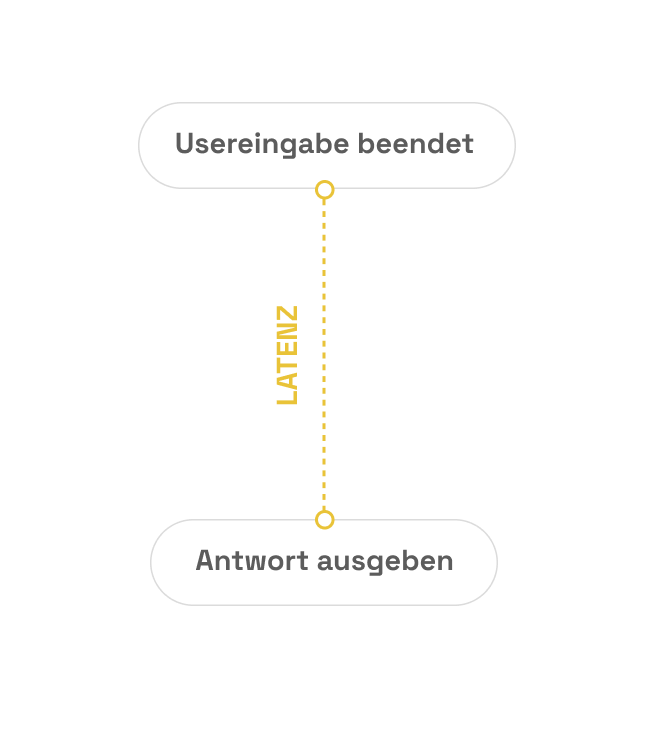
Consciously Bridging Latences
Unlike in chat, where a brief loading time is barely noticeable, even a two-second silence on the phone can be unsettling because the caller doesn’t know if they were even understood. That’s why at BOTfriends, we specifically rely on response fillers—short acoustic or verbal cues such as “Just a moment, let me check that” or an affirmative “Mhm”—to bridge the processing time in the background and signal to the caller: I’ve been heard, and your request is being processed.
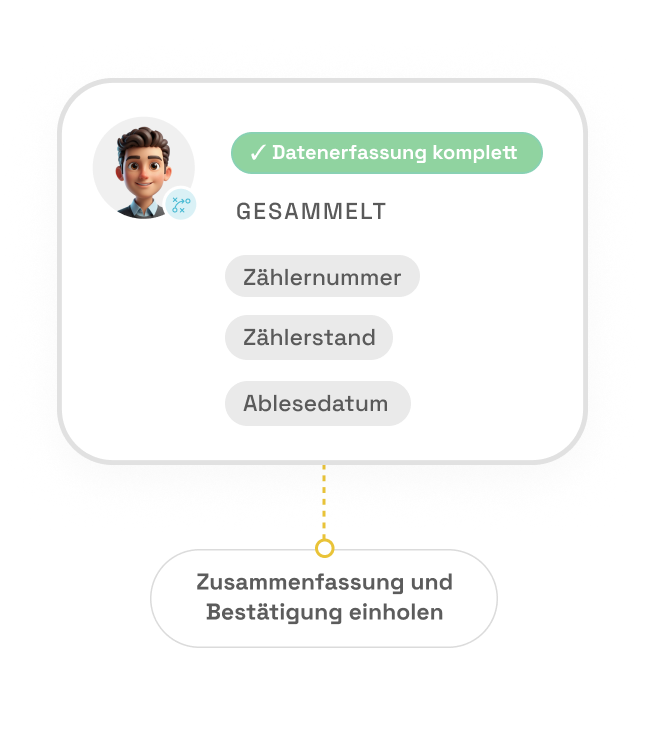
Use Affirmations Sparingly
Too many follow-up questions like “Did I understand you correctly that…” at every single step come across as patronizing and unnecessarily prolong the conversation. Too few confirmations, on the other hand, lead to errors that aren’t noticed until later. The right balance lies in briefly confirming critical details such as numbers, names, or amounts, while allowing non-critical intermediate steps to proceed without explicit follow-up questions.
AI-Powered Dialogue Design: Opportunities and Smart Control
Generative AI also takes voicebot dialogue design to a new level. Traditional, rule-based systems rely on rigid decision trees and a limited repertoire of recognition patterns. AI-powered voice agents, on the other hand , interpret naturally spoken language much more freely, respond to interjections, and can even make sense of unfamiliar phrasing. As a result, conversations feel less mechanical, and callers are noticeably less likely to feel like they’re talking to a machine.
But this is exactly where a special touch is needed—even more so than in chat: The more freedom a bot is allowed to act, the more important clear guidelines become. While a misunderstanding in a written conversation can usually be cleared up with a quick glance upward, a misunderstanding on the phone can quickly lead to a dead end.
Reliable control is therefore achieved through precisely worded system prompts, clearly defined roles, reliable confirmation steps, and carefully considered handoff points. A voice agent that reliably recognizes when to ask for clarification, when to confirm, and when to quickly transfer the call to a human ultimately provides more value than one that desperately tries to resolve every issue on its own.
Your Path to the Perfect Voicebot Dialogue
Dialog design involves not only the initial setup of the voicebot, but also ongoing maintenance and continuous optimization. To get you started, however, we have a few tried-and-true tips:
- Start by automating the issues that currently result in the longest wait times and the most follow-up contacts. If your hotline is overwhelmed daily with the same routine issues, that’s your starting point.
- Analyze the current situation: How does this phone call go today when a human agent handles it? What follow-up questions does the agent ask? In what order is information requested? This process provides the basis for all prompts, data points, and conversation flows.
- Clearly define the conditions for termination and handoff. After how many unsuccessful attempts does the process get handed off? To whom? With what information, and in what order?
- Test the voice output and timing carefully. The voice, speaking pace, and the length of the response fillers play a key role in determining whether a conversation feels natural or stilted.
- Track key metrics during operation: Agent Resolution Rate (how many calls does the bot resolve completely?), latency, average call duration, and post-call customer satisfaction.
- And finally: Make a consistent effort to identify weaknesses, refine your bot, and expand its scope of action.
Used over the long term, this results in a voicebot that can truly help your customers and measurably reduce the workload on your service teams.
Bottom Line
A technically sophisticated voicebot is of little use if the communication isn’t right: Even a few seconds of silence or a poorly phrased prompt are often enough to lose callers. The situation is different when the bot actively leads the conversation, expresses itself concisely and clearly, skillfully manages wait times, and, when in doubt, quickly transfers the call to a human agent. That’s when real value is created—both for the callers and for the company behind it.
BOTfriends brings together exactly this combination: in-depth technical expertise paired with a trained eye for conversational design. The result is voicebots that not only function reliably but also truly impress in conversation. Whether you’re just getting started with a voicebot or want to further develop an existing voice agent, we’ll support you from the initial concept through ongoing optimization.
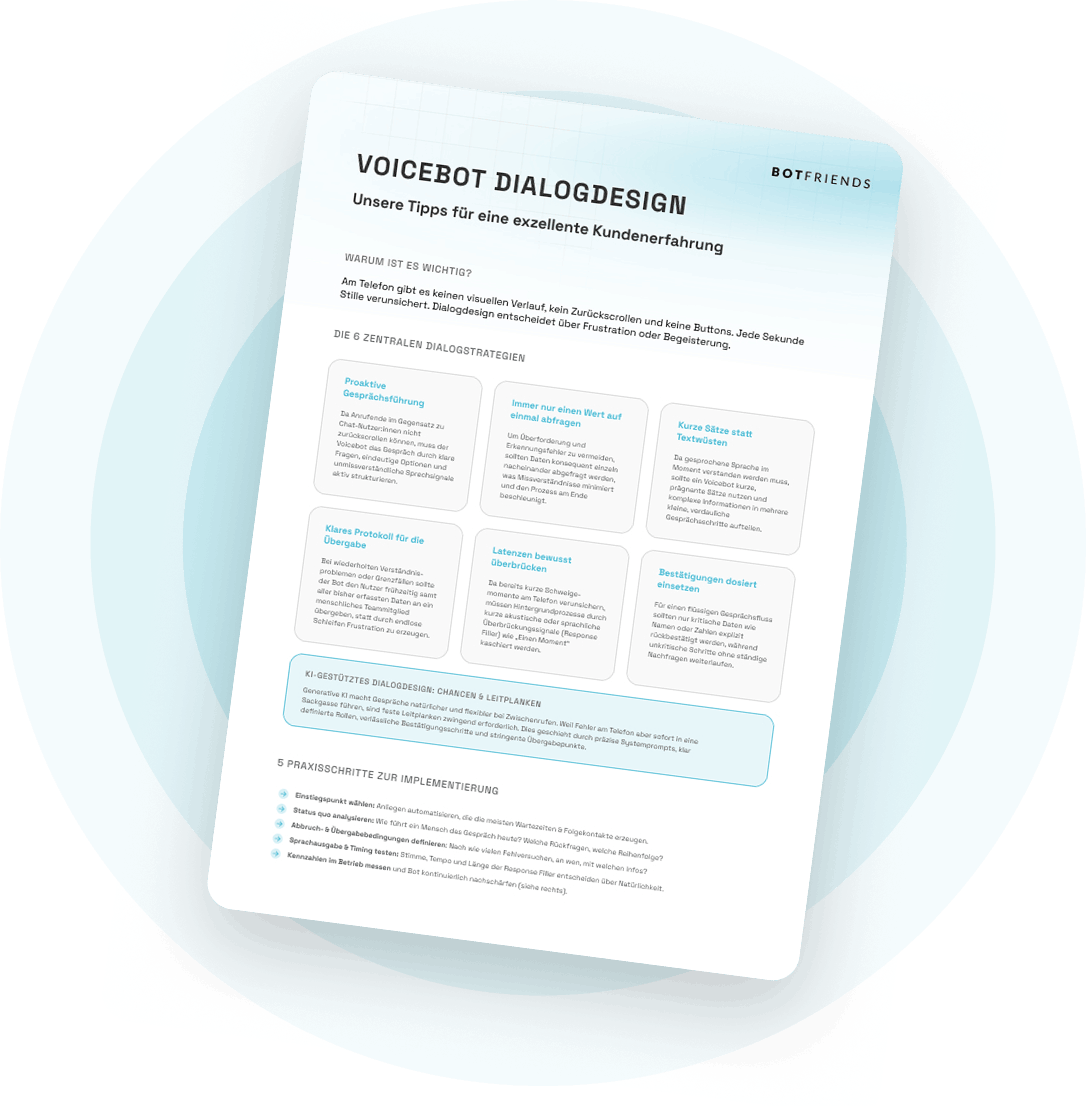
Everything at a glance!
In our cheat sheet on smart dialogue design for AI voicebots, we've clearly summarized all the key information from this article.

Would you like to know what a robust voicebot dialogue strategy might look like for your specific use case?
Get in touch to learn how a custom-designed voicebot dialogue can help your business grow.